The Daily Mail? Newspaper of the year?! Lifetime achievement award for Littlejohn?!?
The legions of Mail haters across the country will have been aghast to learn that their
bette noir had beaten The Times and The Guardian to the
London Press Awards gong.
Despite reams written about the paper's dodgy presentation of information lacklustre corrections process, the paper has been recognised by the industry.
In March the Mail also received the Newspaper of the Year award from the
Society of Editors.
But both awards mean would be press reformers need to think about the implications.
Much as some people might like to think that the paper - and Mr Littlejohn - are a laughing stock credibility-wise, they are clearly not to everyone.
When the Mail is applauded rather than attacked we should be asking why, rather than instead questioning the planetary origins of people praising the paper.
After all neither I, nor in all probablity you, are a typical reader of a mid-market or tabloid paper.
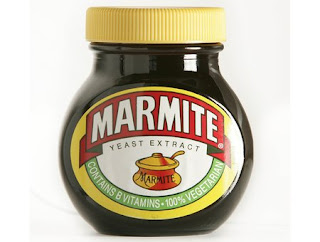
London Press Club compared Richard Littlejohn to Marmite, and in the context of the debate about press standards, holds true for the Daily Mail.
As a big Marmite fan, I wouldn't take kindly to the haters forcing the company to 'raise the standards' of the recipe, for argument's sake by reducing the salt content. While I wouldn't suggest a yeast extract has the same potential to sway politicians and public opinion as a national newspaper, anyone seeking to change either of them has to find a response to an argument that goes something like:
'So you don't like Marmite/The Daily Mail. Fine, don't buy it, and quit trying to ruin it for the rest of us.'
People in favour of reform to press regulation that would tackle inaccuracies and distortions need to consider that even under a perfectly reformed system they will probably still not like the Daily Mail. Just like a low-salt Marmite might be a better bet health-wise, but it isn't going to it make it any less divisive a toast topping.
The point is this: Reform won't or shouldn't change any newspaper out of all recognition.
Some of the things that the Mail gets praised for, influence, readership, strong identity, etc are not inseparable from distortions and inaccuracies that get printed.
If you don't like the Daily Mail because it often takes right wing positions, it will probably still often take right wing positions under any reformed system.
If you don't like the Daily Mail because it runs a lot of negative stories about, say, immigrants, regulatory reform will probably not stop this. So long as the stories are accurate (
net migration is quite high after all) its an editorial judgement as to whether this is portrayed as a good or bad thing for the country. Lots of people
feel immigration is an important issue for the county, and perhaps newspaper coverage fans this, but I don't see how regulation can make the Mail roll out the welcome mat for immigrants.
The paper will probably also go on saying the criminal justice system is too soft and that welfare spending is too high.
If you don't like it because it campaigns for policy changes, this will probably not change under a reformed regulatory system. While I personally dislike the influence of this populist campaigning from newspapers why shouldn't a publisher be able to do this? The answer is tougher ministers not tougher regulations.
Clearly, there are practices that need to be cut out. The dodgy headline not supported by the text of what an article says, (aka '
the caveat in paragraph 19') and clear cases where the facts of a case have been significantly distorted - for example the
health and safety gawn mad stories that turn out to be bogus would hopefully die a death.
However there are others where if the story had been toned down a little the paper concerned could still have worked itself into a lather of indignation without also getting its facts wrong. Much as I disliked the reporting, could a newspaper not get just as agitated about a third of incapacity benefit claimants being found fit for work as when
pretending it is two thirds or more?
Higher standards shouldn't mean stopping the Mail from being the Mail, or the Sun from being the Sun. Perhaps there might be more of a change to be witnessed on the currently unregulated Daily Star and Daily Express, but I'm only speculating.
Detractors of any of these papers should consider whether if the things the things they want to stop that newspaper doing can really be turned into universal maxims governing what the press can and can't do.
Defenders of the popular press highlight the important job such publications play in communicating current affairs to the man on the street.
Great. But why speak up for this role of informing the masses by defending a publication's ability to spread inaccurate information, and resist/bury corrections?
If readers believe what they read in their newspaper (and in 2008
67 per cent of Mail readers did) then it is vital the information is accurate. If few readers trust a paper (
in the same poll only 29% of Sun readers did) what does the paper have to lose by trying to boost its credibility?
Unless you believe that inaccuracies are an integral part of the tabloid and mid-market press, surely a paper that keeps its identity but has more credibility in both they eyes of the readers and the snipers is surely a good thing?